
Hey there! As a supplier of Pomelo Cell Sacs, I've been diving deep into the world of these amazing little things. In this blog, I'm gonna share with you the techniques used to analyze Pomelo Cell Sacs.

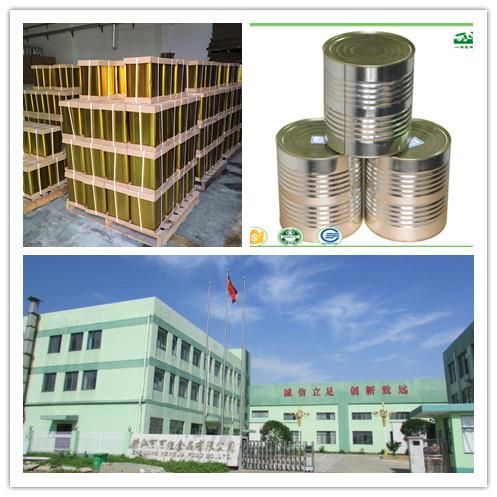
First off, let's talk about why analyzing Pomelo Cell Sacs is so important. For us suppliers, it helps us ensure the quality of our products. Whether it's Red Pomelo Cell Sacs, Honey Pomelo Sacs, or Fresh Red Pomelo Sacs, we want to make sure they meet the highest standards for our customers.
One of the most common techniques used is microscopy. By using a microscope, we can take a close - up look at the structure of the Pomelo Cell Sacs. Light microscopy is a great starting point. It allows us to see the general shape and arrangement of the cells. We can check if the cells are intact, if there are any signs of damage or disease. For example, if the cell walls are broken, it might indicate that the pomelo has been mishandled during harvesting or storage.
Electron microscopy takes things a step further. It provides a much higher level of detail. With scanning electron microscopy (SEM), we can get a three - dimensional view of the surface of the Pomelo Cell Sacs. This helps us identify any tiny bumps, pores, or other surface features. Transmission electron microscopy (TEM), on the other hand, allows us to see the internal structure of the cells. We can look at the organelles inside the cells, like the nucleus, mitochondria, and chloroplasts. This is super useful for understanding the physiological state of the cells.
Another important aspect of analysis is chemical analysis. We want to know what's inside these Pomelo Cell Sacs. One of the key things we measure is the sugar content. High - quality Pomelo Cell Sacs usually have a good balance of sugars. We use techniques like refractometry to measure the sugar concentration. A refractometer works by measuring how light bends when it passes through a sample of the pomelo juice extracted from the cell sacs. The higher the sugar content, the more the light will bend.
We also analyze the acid content. Acidity plays a big role in the taste of the pomelo. Titration is a common method for measuring the acid content. We add a base of known concentration to the pomelo juice until the acid is neutralized. By measuring the amount of base used, we can calculate the acid concentration in the juice.
In addition to sugars and acids, we also look at the vitamin and mineral content. Spectrophotometry is often used for this. This technique measures how much light is absorbed by different substances in the pomelo juice. Different vitamins and minerals absorb light at specific wavelengths. By measuring the absorbance at these wavelengths, we can determine the concentration of these nutrients in the Pomelo Cell Sacs.
DNA analysis is also becoming more and more important in the analysis of Pomelo Cell Sacs. It can help us identify the variety of the pomelo. Different pomelo varieties have unique DNA profiles. By extracting the DNA from the Pomelo Cell Sacs and using techniques like polymerase chain reaction (PCR) and DNA sequencing, we can accurately identify the variety. This is useful for both quality control and for marketing purposes.
Now, let's talk about the texture analysis of Pomelo Cell Sacs. Texture is a big factor in how consumers perceive the quality of the pomelo. We use texture analyzers to measure properties like firmness, elasticity, and chewiness. A texture analyzer applies a controlled force to the Pomelo Cell Sacs and measures how they respond. For example, if the cell sacs are too soft, they might not have a good mouthfeel. On the other hand, if they are too hard, they might be difficult to chew.
Sensory analysis is another crucial part of the evaluation process. We have a panel of trained tasters who evaluate the taste, aroma, and texture of the Pomelo Cell Sacs. They rate the products on various attributes, such as sweetness, acidity, juiciness, and flavor intensity. This subjective evaluation helps us understand how the products will be received by consumers.
So, as you can see, there are many different techniques used to analyze Pomelo Cell Sacs. All these methods work together to ensure that we, as suppliers, can provide high - quality products.
If you're interested in our Red Pomelo Cell Sacs, Honey Pomelo Sacs, or Fresh Red Pomelo Sacs, we'd love to hear from you. Whether you're a distributor, a food manufacturer, or just someone who loves high - quality pomelo products, we're here to have a chat about your needs. Don't hesitate to reach out to us for a friendly and informative discussion about procurement.
References:
- "Fruit Quality Evaluation: Principles and Practices" by Smith, J.
- "Microscopy Techniques in Plant Cell Analysis" by Johnson, A.
- "Chemical Analysis of Fruits and Vegetables" by Brown, K.


